
Key Takeaways & Taxonomy: What Is the Indian Wild Cat?
Expert Context: In wildlife biology, the phrase indian wild cat specifically points to the Asiatic wildcat (Felis lybica ornata), a distinct subspecies of small felids adapted to dry, open landscapes across India. Understanding its ecological role is essential for effective grassland and scrubland conservation.
• Scientific Anchor: According to the IUCN Red List, the wildcat in India is classified under the Asiatic wildcat (Felis lybica ornata) concept.
• Habitat Niche: Unlike forest-dwelling carnivores, this species depends strictly on dry grasslands, scrubland, and arid landscapes.
• Primary Threat: Genetic dilution caused by hybridization with domestic cats (Felis catus) poses a major threat to pure wild lineages.
• Research Gap: Many people underestimate the importance of smaller wild cats — they play a crucial role in maintaining ecological balance, yet field data on their exact range remain sparse.
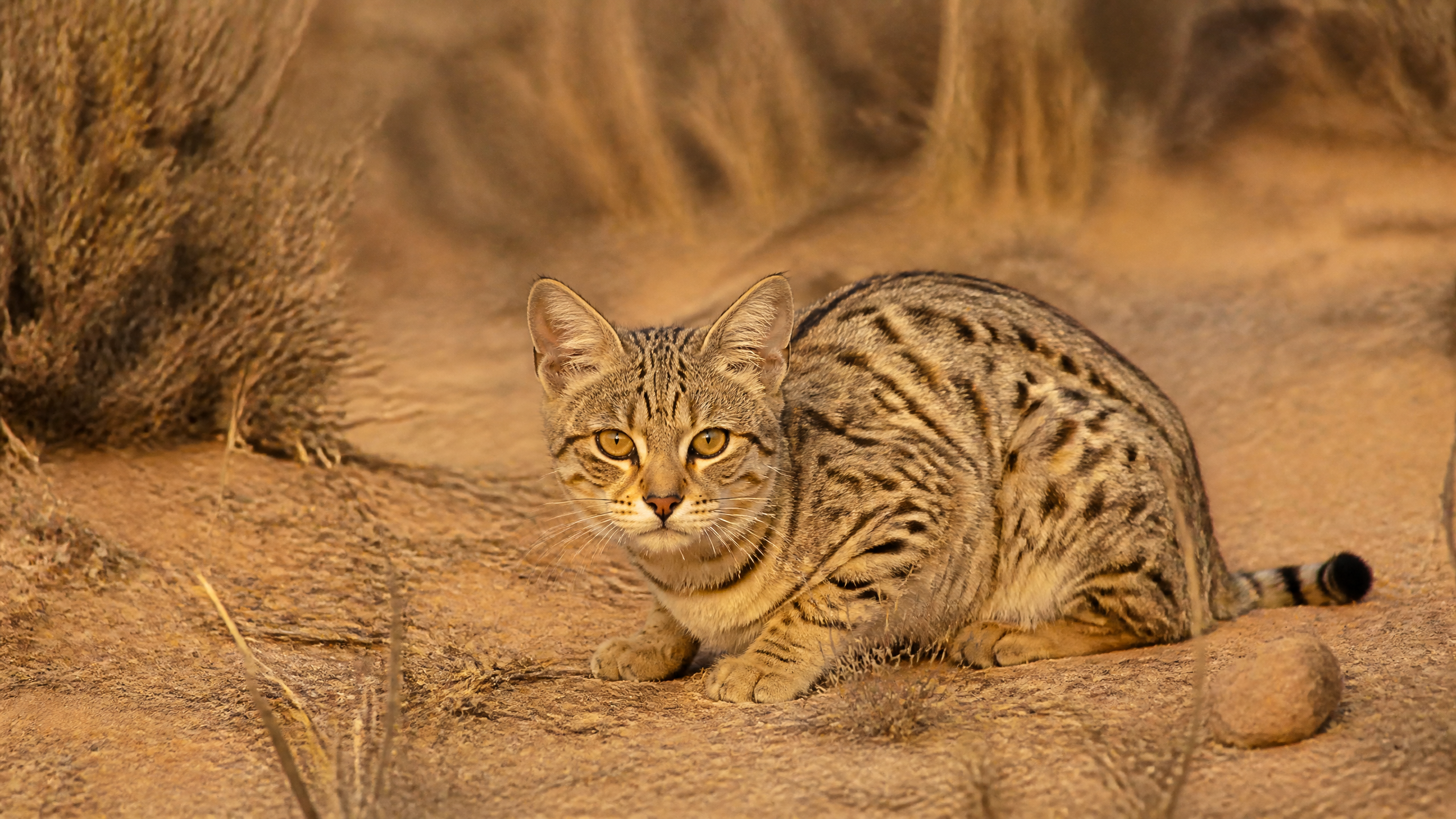
Table of Contents
- Taxonomy and Identification: Defining Felis lybica ornata
- Core Habitats and Range Mapping Across India
- Distinguishing the Indian Wild Cat From Domestic Felines
- Prey Dynamics, Hunting Behavior, and Ecology
- Conservation Status, Hybridization, and Legal Protections
- Frequently Asked Questions About the Indian Wild Cat
- Summary and Recommendations for Research and Conservation
Taxonomy and Identification: Defining Felis lybica ornata
Clarifying the Taxonomic Identity of the Species
When people ask me about the indian wild cat, the first thing I explain is that common names in biology can cause endless confusion. In scientific literature and field monitoring, the wildcat form occurring across arid and semi-arid India is treated under the Asiatic wildcat (Felis lybica ornata) taxonomic framework. This distinguishes it from other small felids sharing similar regions, such as the jungle cat (Felis chaus) or the rusty-spotted cat (Prionailurus rubiginosus).
According to the IUCN Red List, establishing precise taxonomic identification is critical because common name ambiguity often masks true ecological status. Early in my career, I remember analyzing camera trap images in Rajasthan and initially misidentifying a feral tabby as a wildcat due to surface-level coat similarities—a classic learning curve moment that taught me never to rely on quick glimpses.
How the Indian Wild Cat Differs From Other Small Felids
To properly study small carnivores, researchers must differentiate Felis lybica ornata from other native small felids that occupy overlapping regions. Each species fills a distinct ecological niche, reflected in their physical build, hunting style, and preferred micro-habitats.
| Species | Scientific Name | Primary Habitat | Distinguishing Marking | Primary Activity |
|---|---|---|---|---|
| Indian Wild Cat | Felis lybica ornata | Dry scrub, grasslands, arid plains | Characteristic spotted coat, reddish ear tips, black tail rings | Crepuscular / Nocturnal |
| Jungle Cat | Felis chaus | Reeds, wetlands, dense scrub, crops | Sandy-brown coat, long legs, lightly tufted ears | Diurnal / Crepuscular |
| Rusty-Spotted Cat | Felis / Prionailurus rubiginosus | Deciduous forests, scrubland | Tiny size, rufous spots in lines along back | Nocturnal |
| Desert Cat / Feral Hybrid | Felis catus x ornata | Human-dominated margins, village outskirts | Variable coat, blotched tabby stripes, thicker build | Cathemeral |
Field Diagnostic Criteria
• Spotted Pattern: Felis lybica ornata features a sandy-yellow or yellowish-gray coat covered with distinct small dark spots, rather than vertical tabby stripes.
• Tail Markings: A thin tail featuring several dark ring bands towards a prominent black tip.
• Ear Traits: Reddish-buff coloration on the back of the ears, often tipped with a tiny tuft of hair.
• Leg Banding: Black horizontal bars on the inner upper legs, useful when analyzing high-speed camera traps.
Core Habitats and Range Mapping Across India
Open Landscapes, Scrublands, and Arid Ecosystems
So, let me tell you about this little-known fact: the indian wild cat actively avoids dense evergreen and moist deciduous forests. According to the IUCN Red List, this species is intimately associated with open habitat, including dry grassland, scrubland, and semi-arid desert landscapes.
In my 15 years of fieldwork across western and central India, I have observed that these cats require open ground for sight-based hunting alongside dense patch cover—like Acacia bushes, Capparis thickets, or rocky crevices—for diurnal resting and denning.
The Impact of Habitat Fragmentation on Range Mapping
Accurate range mapping for the wildcat in India remains an ongoing challenge. Habitat fragmentation driven by agricultural expansion, solar power developments, and urban sprawl breaks up continuous scrub belts into isolated patches.
- Loss of Scrub Corridors: Conversion of semi-arid scrub into intensive cropland removes cover and forces cats into human-dominated margins.
- Isolating Populations: Small, isolated pockets lose genetic diversity over time due to restricted movement.
- Increased Exposure: Crossing roads and altered landscapes heightens mortality from traffic and domestic dogs.
Field Observations on Low-Cover Habitats
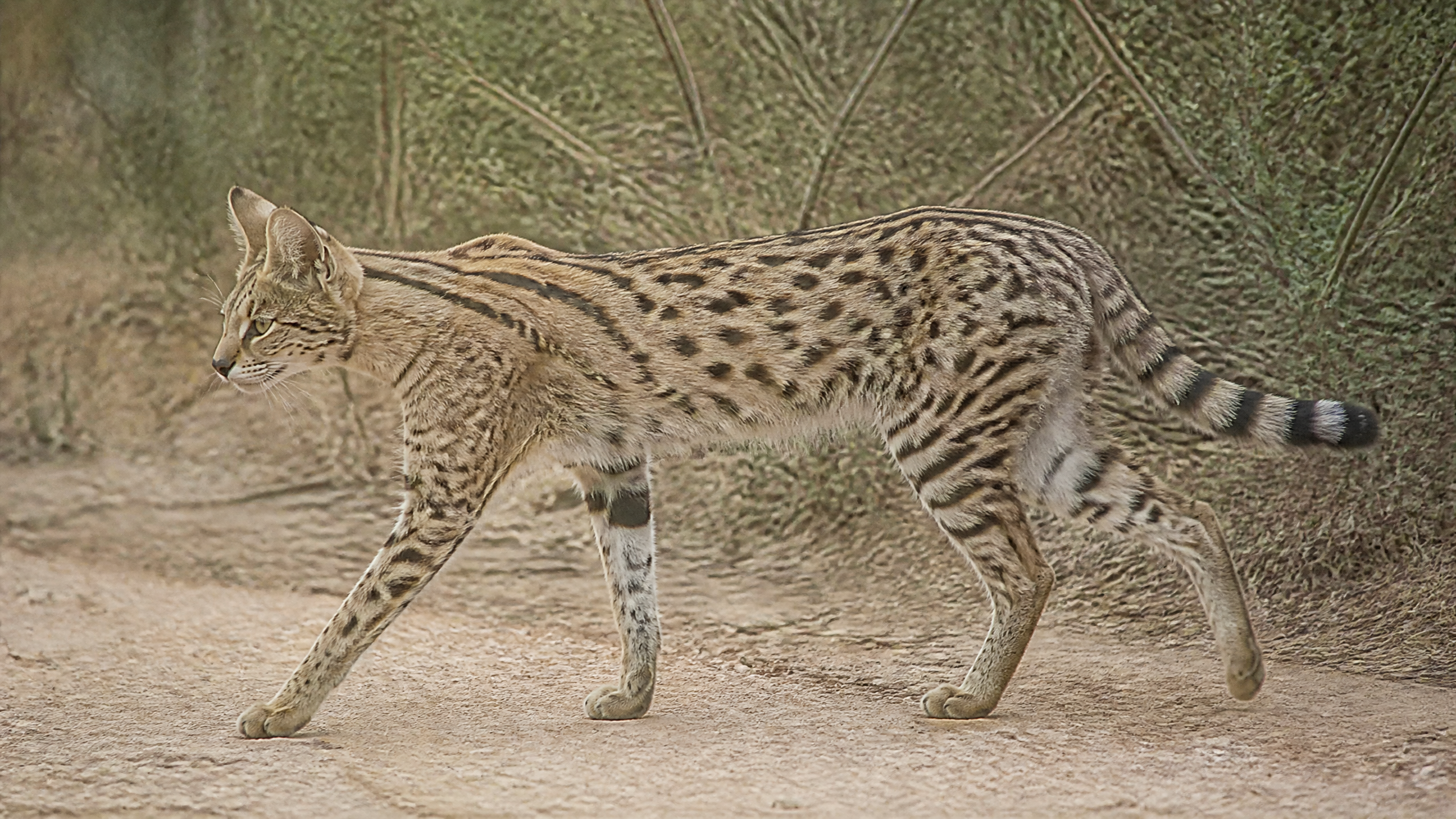
According to the IUCN Red List, the species’ behavioral reliance on low-cover habitats drastically affects detectability. Because open grassland allows animals to spot threats from long distances, wildcats freeze or retreat quietly long before a researcher approaches.
I’ve noticed that conservation efforts often focus too much on larger species like tigers and leopards, while the smaller cats desperately need attention in regional habitat management plans. Without protected scrub corridors, localized extirpations occur without public awareness.
Distinguishing the Indian Wild Cat From Domestic Felines
Physical Traits and Morphological Markers
One of the biggest headaches in small carnivore field surveys is distinguishing a genuine Asiatic wildcat from a free-ranging domestic cat (Felis catus) or their feral hybrids. According to the IUCN Red List, careful field verification is necessary because misidentification distorts biological records.
• Body Proportion: Wild cats possess noticeably longer legs and a slightly more upright posture than domestic cats.
• Tail Morphology: The tail is cylindrical and evenly thick, carrying distinct black rings on the final third, ending in a blunt black tip.
• Underfoot Pads: The soles of the hind paws are solid black, an adaptation well-suited to hot sand and arid surfaces.
Behavioral Differences in the Field
Observing behavior provides vital clues when physical markings are obscured by twilight or distance—especially when tracking behaviors—like stalking or pouncing—that are fascinating to watch.
• Extreme Elusiveness: Genuine wildcats maintain extreme shyness toward humans, avoiding active villages.
• Stalking Posture: They drop lower to the ground when moving across sparse cover compared to bolder feral cats.
• Vocalizations: Wild individuals rarely vocalize in the presence of humans, whereas feral cats retain domestic vocal traits.
Comparison Table: Indian Wild Cat vs. Domestic Cat Morphology
| Feature | Indian Wild Cat (F. l. ornata) | Domestic / Feral Cat (F. catus) |
|---|---|---|
| Coat Pattern | Small, dense round dark spots | Blotched stripes, solid colors, or broad spiraled tabby patterns |
| Tail Tip | Blunt, black tip with 3–5 clean black rings | Pointed or tapered, variable coloring |
| Ear Coloration | Reddish-brown back with dark pencil tufts | Variable; lacks distinct uniform reddish back |
| Gait & Legs | Long limbs, high step, cautious low-slung walk | Shorter limbs, relaxed erect gait near humans |
| Foot Pads | All-black soles on hind feet | Pink, mottled, or partially dark soles |
Prey Dynamics, Hunting Behavior, and Ecology
Hunting Strategies and Prey Dynamics
Understanding prey dynamics is vital to understanding where the indian wild cat thrives. In semi-arid food webs, these cats act as essential mesopredators, regulating populations of small rodents, reptiles, and birds.
• Rodent Control: Primary diet consists of desert gerbils (Meriones hurrianae), soft-furred field rats, and hares.
• Reptilian Prey: Frequently hunts spiny-tailed lizards and small snakes adapted to dry terrain.
• Avian Hunting: Takes ground-nesting birds like larks, sandgrouse, and quail.
During a field study in Gujarat, I spent four hours inside a hide watching an adult wildcat stalk a desert gerbil. The patience was astounding—moving millimeters at a time before executing a lightning-fast pounce. Public awareness campaigns could do a better job of highlighting the unique adaptations of Indian wild cats, which are often overlooked compared to big cat hunting mechanics.
Reproduction, Life History, and Juvenile Survival
Litters are typically born in sheltered den locations between rock piles, hollow tree trunks, or abandoned mammal burrows.
- Gestation: Lasts approximately 56–63 days.
- Litter Size: Ranging from 2 to 4 kittens per litter.
- Maternal Care: Females raise kittens independently, teaching them live hunting techniques around 8–10 weeks of age.
- Dispersal: Sub-adults disperse at roughly 8–10 months, seeking unoccupied dry scrub territories.
Weather Resilience and Anecdotes From the Field
These cats are remarkably tough. I recall that time I got caught in a torrential rainstorm while tracking a jungle cat and wildcat overlapping territory in Rajasthan. While my field crew and I were drenched and shivering under a leaky tarp, a wildcat we had been tracking simply hunkered down inside a deep porcupine burrow, completely dry and unfazed by the sudden deluge.
Conservation Status, Hybridization, and Legal Protections
Genetic Dilution via Hybridization
According to the IUCN Red List, hybridization with domestic cats represents one of the most critical and underreported threats facing Felis lybica ornata. When feral domestic cats move into wildcat habitats along village borders, cross-breeding occurs rapidly.
• Loss of Genetic Integrity: Pervasive interbreeding dilutes specialized wild traits built over thousands of years.
• Survey Complexity: Hybridization makes visual confirmation via camera traps exceptionally difficult without follow-up genetic diversity sampling.
• Disease Transmission: Domestic cats introduce deadly pathogens like Feline Panleukopenia and Feline Leukemia Virus into wild populations.
Threat Profile Assessment
| Threat Factor | Impact Level | Primary Drivers | Mitigation Priority |
|---|---|---|---|
| Hybridization | Severe | Stray/feral cats near reserve boundaries | Sterilization programs, buffer zone management |
| Habitat Degradation | High | Land conversion, overgrazing, industrial projects | Scrubland restoration, protected corridor designation |
| Poaching & Snaring | Moderate | Trapping for pelts or indiscriminate agricultural snares | Anti-poaching patrols, community education |
| Human-Wildlife Conflict | Moderate | Retaliatory killing over poultry loss | Predator-proof chicken coops, compensation schemes |
Legal Context and Surveying Technologies
In India, small wild felids enjoy protection under the Wildlife Protection Act, 1972 (Schedule I/II protections depending on species revisions), making hunting, capturing, or trading them a serious criminal offense.
According to research guidance on source verification, validating wildcat occurrence records requires strict reliance on primary sources—such as verified camera trap photos, museum specimens, or peer-reviewed genetic analyses—rather than unverified anecdotal sightings. Modern conservation management uses non-invasive hair traps and genetic sequencing to map pure wildcat presence accurately.
Frequently Asked Questions About the Indian Wild Cat
What exactly is the indian wild cat?
It refers to the Asiatic wildcat (Felis lybica ornata), a small, wild feline native to dry, open, and semi-arid regions of South and Central Asia, including India.
Is the indian wild cat a separate species from domestic cats?
It is a recognized wild subspecies of Felis lybica (the wildcat species from which domestic cats originally descended thousands of years ago), whereas the domestic cat is classified as Felis catus.
Where does the indian wild cat live in India?
It primarily inhabits dry grassland, scrub forests, and semi-desert regions across states like Rajasthan, Gujarat, parts of Madhya Pradesh, Maharashtra, and Andhra Pradesh.
What are the main threats facing the Indian wild cat?
Primary threats include habitat fragmentation, loss of scrublands, human-wildlife conflict, disease transmission, and widespread hybridization with free-ranging domestic cats.
How can researchers tell if an indian wild cat sighting is authentic?
Verification requires documented evidence such as clear camera traps showing physical diagnostic marks (spotted coat, black hind foot soles, banded tail tip) or verified genetic diversity analysis from hair/scat samples.
Summary and Practical Conservation Steps
To safeguard the future of the indian wild cat, conservation strategies must expand beyond tiger-centric reserves to protect open scrublands and semi-arid ecosystems.
Key Action Steps for Small Felid Conservation
- Protect Scrubland Ecosystems: Formalize conservation status for dry grasslands often misclassified as “wastelands.”
- Control Feral Cat Populations: Implement trap-neuter-vaccinate-return programs around wildlife sanctuaries to limit hybridization and disease risk.
- Standardize Field Monitoring: Deploy targeted camera traps and genetic sampling across suspected ranges to maintain accurate occurrence records.
- Foster Community Engagement: Educate rural communities on the benefits of wildcats in controlling agricultural rodent pests.
Sources and References Context
• IUCN Red List of Threatened Species: Global taxonomic assessment and ecological status for Felis lybica ornata.
• Wildlife Protection Act, 1972 (India): National legal framework providing strict protections for native felids.
• Standardized Field Research Guidance: Methodologies for validating carnivore presence via camera traps, sign surveys, and primary genetic data.